

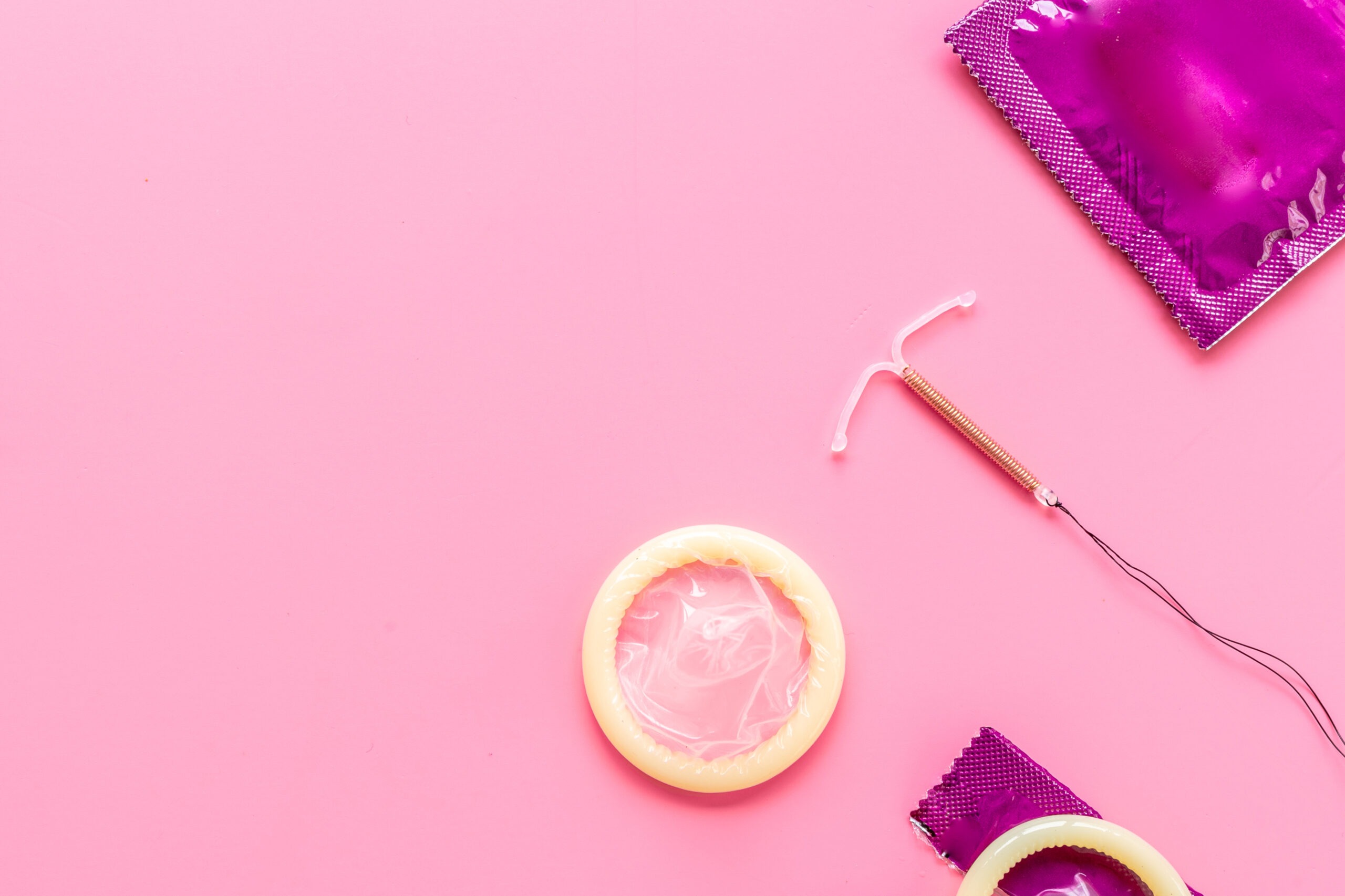
Choosing birth control is a deeply personal decision; one shaped by your health, lifestyle, preferences, and reproductive goals. While hormonal birth control (like pills, patches, or implants) is widely used, it isn’t the right choice for everyone. Some people choose non-hormonal methods to avoid hormone-related side effects, preserve their natural cycles, or simply because they prefer a more “natural” approach. Luckily, there are several non-hormonal birth control options available, each with its own strengths, limitations, and best uses.
This blog explores the most common non-hormonal choices—barrier methods, the copper IUD, and fertility awareness—offering clear explanations of how they work, their effectiveness, and what you should consider when deciding which might fit your life.
Why Choose Non-Hormonal Birth Control?
Non-hormonal birth control works without altering your body’s hormonal system. This can be appealing for people who:
- Experience side effects from hormones (like mood changes or headaches)
- Are breastfeeding
- Prefer not to suppress their natural menstrual cycles
All non-hormonal methods require thoughtful selection and use, and some demand more daily attention or planning than others. It’s important to talk with a clinician at CT Coastal OBGYN to find the best fit for your health and lifestyle.
Barrier Methods: Immediate and Reversible Protection
Barrier methods work by physically preventing sperm from entering the uterus. They are typically used at the time of sex and do not involve hormones.
Condoms
How they work:
A condom—whether male or female—creates a physical barrier over the penis or inside the vagina, blocking sperm from reaching the uterus. Male latex or synthetic condoms also provide protection against sexually transmitted infections (STIs), an added benefit that many other non-hormonal methods don’t offer.
Effectiveness:
With perfect use, condoms can be up to about 98% effective, but typical use effectiveness is closer to 88% for male condoms and 79% for female condoms.
Benefits:
- Widely available without a prescription, often inexpensive, and do not involve hormones
- Provide protection against both pregnancy and many STIs
- Easy to start and stop, allowing greater sexual spontaneity
Considerations:
- Condoms must be used correctly every time to maximize effectiveness
- They can break or slip if not fitted or handled properly
- Some people have allergies to latex—though non-latex options are available
Condoms are a great choice for many people, especially those who want STI protection as well as pregnancy prevention.
Spermicide
How it works:
Spermicide is a hormone-free chemical contraceptive that disables or kills sperm before they can reach an egg. It is available over the counter in several forms, including gels, creams, foams, films, and suppositories, and is placed inside the vagina shortly before intercourse.
Effectiveness:
When used alone, spermicide is less effective than most other birth control methods, with typical-use effectiveness around 79%. It is significantly more effective when combined with barrier methods like condoms, diaphragms, or cervical caps.
Benefits:
- Hormone-free and available without a prescription
- Can be used on demand
- Enhances effectiveness of other barrier methods when used together
Considerations:
- Must be applied correctly before every act of intercourse
- Does not protect against STIs
- Frequent use may cause vaginal irritation for some users
Spermicide is often best used as a companion method rather than a stand-alone option.
Contraceptive Vaginal pH Gel
How it works:
A contraceptive vaginal pH gel is a hormone-free, on-demand method that works by maintaining the vagina’s natural acidic environment, which reduces sperm mobility and prevents fertilization. The gel is applied vaginally before intercourse and does not contain hormones or spermicidal chemicals.
Effectiveness:
With typical use, contraceptive vaginal pH gel is about 86% to 93% effective. Like spermicide, effectiveness improves when paired with condoms or diaphragms.
Benefits:
- Hormone-free and non-systemic
- Used only when needed, offering flexibility
- Can be used with condoms or diaphragms for added protection
Considerations:
- Requires application before each act of intercourse
- Does not protect against STIs
- Some users experience mild vaginal irritation or discomfort
This option may appeal to people seeking a non-hormonal, prescription-based alternative to traditional spermicide
Diaphragms and Cervical Caps
How they work:
A diaphragm or cervical cap is a soft silicone device placed inside the vagina that covers the cervix and physically blocks sperm from entering the uterus. These devices are usually used with spermicide, a chemical that helps prevent sperm from reaching an egg.
While diaphragms and cervical caps are not as widely used today as they once were, newer designs have made diaphragms more accessible and easier to use for many people. One modern option is a one-size, contoured silicone diaphragm designed to fit most users, including women who have not given birth. This type of diaphragm is estimated to fit approximately 8 out of 10 users without individual fitting and must be used with spermicide or contraceptive vaginal pH gel, just like traditional diaphragms or cervical caps.
Effectiveness:
When used correctly with spermicide, diaphragms are about 83%-94% effective; cervical caps can range from 71% to 86%, depending on factors like whether you’ve given birth.
Benefits:
- Reusable and hormone-free
- Under your control: you can insert them a few hours before sex and leave them in afterward
Considerations:
- Although newer designs reduce the need for custom fitting, proper instruction is still important
- Require correct placement with each use
- Do not protect against STIs
- Some find them less convenient or interruptive than condoms
Barrier methods like diaphragms and cervical caps work on demand and can be a solid choice for people seeking non-hormonal control, especially when paired with condoms.
Copper IUD: A Long-Lasting Non-Hormonal Option
The copper intrauterine device (IUD) is one of the most effective non-hormonal birth control methods.
How It Works:
The copper IUD is a T-shaped device that your healthcare provider places inside your uterus. Copper ions create an environment that sperm find hostile, preventing them from fertilizing an egg. The physical presence of the device also makes the uterine lining less receptive, which helps prevent implantation if fertilization were to occur.
Effectiveness:
With typical use, the copper IUD is over 99% effective at preventing pregnancy—comparable to permanent sterilization but fully reversible. And once it’s in place, there’s no need for daily action, making it dramatically more effective in real-world use than barrier methods.
Benefits:
- Long-lasting: Can remain effective for up to 10 years or more after insertion
- Reversible: Fertility typically returns quickly once the device is removed
- Hormone-free: No impact on your body’s natural hormonal cycle
Considerations:
- Requires insertion and removal by a healthcare professional
- Some people experience heavier periods or increased cramping, especially in the first few months
- Does not protect against STIs
The copper IUD is ideal for many individuals seeking long-term, low-maintenance birth control without hormones, especially those who want worry-free protection for years at a time.
Natural and Fertility Awareness-Based Methods
For people who want non-hormonal options that require no devices or prescriptions, fertility awareness-based methods (FABMs) are worth considering.
What They Are:
Fertility awareness involves tracking your menstrual cycle and biological signs—like basal body temperature and cervical mucus—to identify fertile days. If you avoid unprotected intercourse on those days, you reduce the chance of pregnancy.
Effectiveness:
The effectiveness of fertility awareness varies significantly depending on how carefully you track your cycle. Some research suggests that with perfect use it can be very effective, but typical use rates are lower than long-acting options like the copper IUD.
Benefits:
- Completely hormone-free and natural
- No devices or prescriptions needed
- Can increase understanding of your cycle, which is helpful if you plan to conceive later
Considerations:
- Requires daily attention and record-keeping
- Typically more effective when combined with barrier methods on fertile days
- Does not protect against STIs
Fertility awareness can be empowering and flexible, but it demands commitment and education to use effectively.
Coitus Interruptus
How it works:
Coitus interruptus, commonly called “withdrawal” or “pulling out,” involves removing the penis from the vagina before ejaculation in an attempt to prevent sperm from entering the uterus. It does not involve hormones, devices, or prescriptions.
Effectiveness:
While often assumed to be effective, withdrawal is one of the least reliable birth control methods. With perfect use, it may be about 80% effective, meaning about 1 in 5 people using withdrawal alone will experience an unintended pregnancy within a year. With typical use—accounting for timing errors and the presence of sperm in pre-ejaculatory fluid—its effectiveness drops.
Benefits:
- Always available and free
- Hormone-free and non-invasive
- May be used as a temporary or backup method
Considerations:
- Requires exceptional self-control and precise timing
- Pre-ejaculate can contain sperm, increasing pregnancy risk even when withdrawal is done correctly
- Does not protect against STIs
- Significantly less effective than other non-hormonal methods when used alone
Because of its high failure rate, withdrawal is best considered a last-resort or supplemental method rather than a primary form of contraception. Pairing it with condoms or another barrier method greatly improves pregnancy prevention.
Choosing the Right Method for You
There’s no single “best” non-hormonal birth control choice. It depends on what you want from your contraceptive approach, how much effort you’re willing to put in, and how important things like STI protection are to you.
Here’s a quick way to think about it:
- You want convenience and high effectiveness: The copper IUD stands out as one of the strongest long-term choices
- You want on-demand, reversible control with STI protection: Condoms are unbeatable for protecting both pregnancy and many infections
- You want a hormone-free method under your control: Diaphragms, caps, or fertility awareness may be good fits
Non-hormonal methods vary widely in how they work, how often they must be used, and how effective they are with typical use, so take time to discuss your goals and lifestyle with your provider.
Final Thoughts: Your Health, Your Choice
Whether you’re avoiding hormones for medical reasons, personal comfort, or lifestyle preference, understanding your options empowers you to make the reproductive health decisions that are right for you. Non-hormonal birth control offers real and effective choices, from barrier methods and fertility awareness, to the highly reliable copper IUD.
To learn more and find the best fit for your body and goals, make an appointment with a clinician at CT Coastal OBGYN. We’ll walk through your options, answer questions, and help you plan for a future that’s confident and informed.