
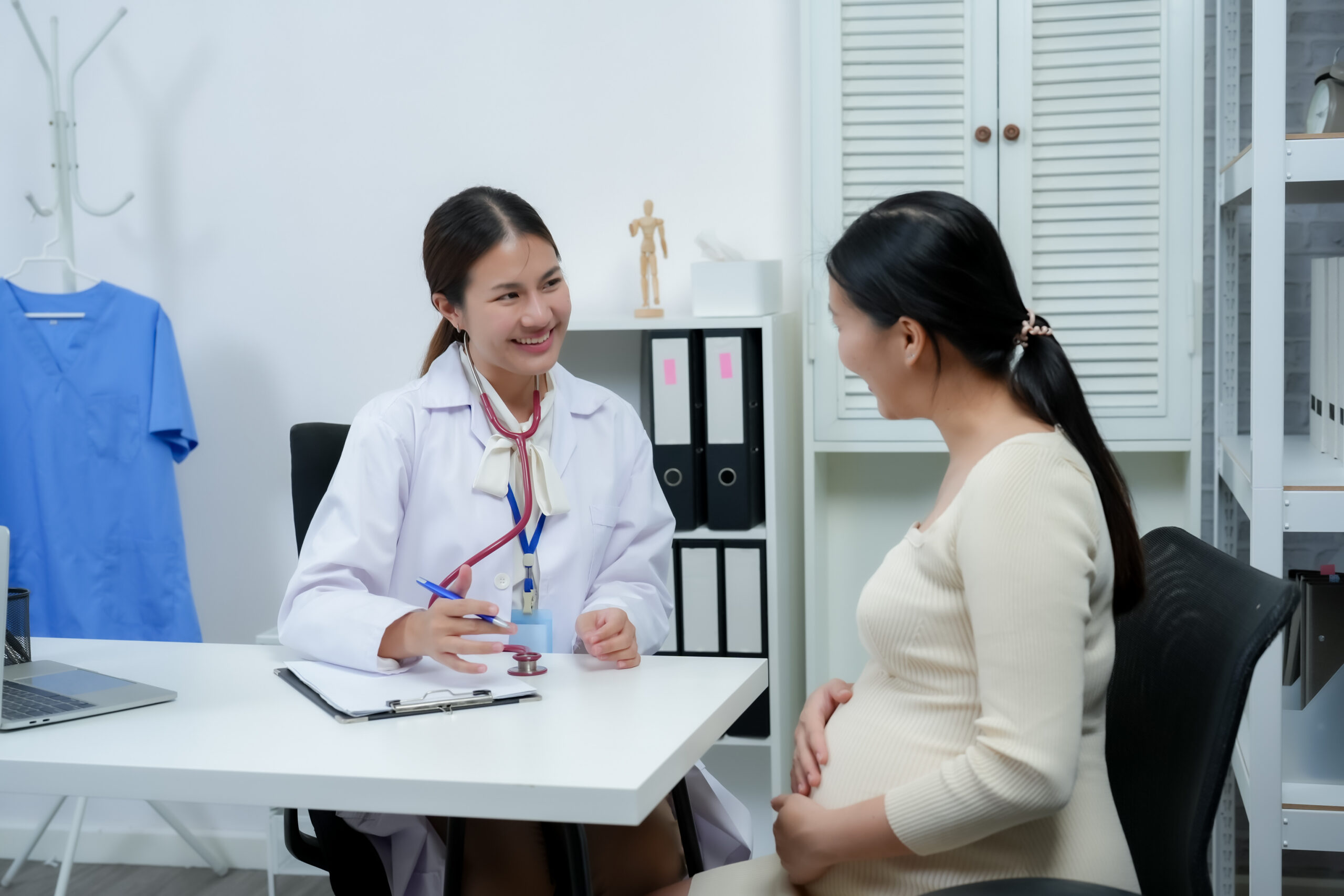
Pregnancy is a complex and highly individualized experience. While there are common symptoms many people share, the intensity, timing, and combination of those symptoms can vary widely from one person to another, and even from one pregnancy to the next. Understanding what’s typical, what may change across trimesters, and when to seek guidance from an OB/GYN can help expectant parents feel more confident and prepared throughout the journey.
Early Pregnancy Symptoms: The First Signs
Early pregnancy symptoms often begin within the first few weeks after conception, though some individuals may not notice any changes right away. One of the most common early pregnancy signs is a missed menstrual period, which often prompts individuals to take a pregnancy test.
Other early symptoms may include:
- Fatigue: Hormonal changes—especially increased progesterone—can cause significant tiredness. This is often one of the earliest and most noticeable symptoms.
- Breast tenderness: Hormonal fluctuations can lead to swelling, soreness, or heightened sensitivity in the breasts.
- Nausea and vomiting (morning sickness): Despite its name, morning sickness can occur at any time of day. It typically begins around week 6 and may continue into the second trimester.
- Frequent urination: Increased blood flow and hormonal shifts can lead to more frequent trips to the bathroom.
- Food aversions or cravings: Changes in taste and smell sensitivity are common and can influence appetite.
- Mood changes: Hormonal fluctuations may contribute to emotional highs and lows.
According to the Mayo Clinic, these early pregnancy symptoms are largely driven by hormonal changes and are considered normal for most individuals, though their severity can vary widely.
First Trimester (Weeks 1–12): Adjusting to Change
The first trimester is a time of rapid development for the fetus and significant hormonal adjustment for the pregnant individual. Symptoms during this stage often overlap with early pregnancy signs but may intensify.
Common first-trimester symptoms include:
- Persistent fatigue
- Morning sickness
- Constipation
- Mild cramping without bleeding
- Bloating
While many of these symptoms are uncomfortable, they are typically not cause for concern. However, severe nausea and vomiting—known as hyperemesis gravidarum—may require medical attention if it leads to dehydration or weight loss.
Early prenatal care is critical during this stage to monitor both maternal and fetal health and to address any concerning symptoms early.
Second Trimester (Weeks 13–26): A Period of Relief for Many
Often referred to as the “honeymoon phase” of pregnancy, the second trimester brings relief from some of the more intense early symptoms for many individuals. Morning sickness typically subsides, and energy levels may improve.
However, new symptoms can emerge, including:
- Back pain: As the uterus expands, posture and weight distribution shift.
- Round ligament pain: Sharp or aching pain in the lower abdomen or groin due to stretching ligaments.
- Skin changes: This may include darkening of the skin (melasma) or the appearance of a dark line down the abdomen (linea nigra).
- Increased appetite: As nausea decreases, appetite often returns or increases.
- Fetal movement: Many individuals begin to feel the baby move (quickening) between weeks 18 and 22.
The second trimester is also when routine screenings and ultrasounds are commonly performed as part of prenatal care.
Third Trimester (Weeks 27–40): Preparing for Birth
As the body prepares for labor and delivery, symptoms in the third trimester often reflect increased physical strain and hormonal changes.
Common third-trimester symptoms include:
- Shortness of breath: The growing uterus can press against the diaphragm.
- Swelling (edema): Especially in the feet and ankles due to fluid retention.
- Heartburn: Hormonal relaxation of the esophageal sphincter can allow stomach acid to rise.
- Sleep disturbances: Discomfort and frequent urination can disrupt sleep.
- Braxton Hicks contractions: Irregular “practice” contractions that help prepare the uterus for labor.
While many of these symptoms are expected, sudden or severe swelling, persistent headaches, or vision changes should be discussed with a healthcare provider, as they may indicate complications such as preeclampsia.
What’s Considered Normal?
Many pregnancy symptoms—while uncomfortable—are a normal part of the body adapting to support fetal development. These include:
- Mild to moderate nausea
- Occasional dizziness
- Fatigue
- Mild swelling
- Changes in appetite or mood
The key distinction lies in severity, persistence, and impact on daily functioning. For example, occasional nausea is normal, but persistent vomiting that prevents hydration is not.
Regular prenatal care is essential for distinguishing between normal symptoms and potential complications, ensuring timely intervention when needed.
When to Talk to an OB/GYN
While many pregnancy symptoms are expected, certain signs warrant prompt medical attention. Individuals should contact their OB/GYN if they experience:
- Heavy vaginal bleeding
- Severe abdominal pain or cramping
- Persistent vomiting or inability to keep fluids down
- High fever
- Sudden swelling in the face or hands
- Severe headaches or vision changes
- Decreased fetal movement in later pregnancy
Open communication with an OB/GYN is a critical part of pregnancy care. Even symptoms that seem minor can provide important clues about overall health.
The Importance of Prenatal Care
Prenatal care plays a vital role in monitoring pregnancy symptoms and ensuring both maternal and fetal well-being. Regular checkups allow healthcare providers to:
- Track fetal growth and development
- Monitor vital signs and weight
- Screen for potential complications
- Provide guidance on nutrition, exercise, and lifestyle
Early and consistent prenatal care has been shown to reduce the risk of complications and improve outcomes for both parent and baby.
Final Thoughts
Pregnancy symptoms are as diverse as the individuals experiencing them. While some may have relatively mild symptoms, others may face more intense physical and emotional changes. Understanding what to expect across each trimester can help normalize the experience and reduce anxiety.
The most important takeaway is this: No question or symptom is too small to discuss with an OB/GYN. Pregnancy is not a one-size-fits-all journey, and personalized care is essential—and CT Coastal OB/GYN is here to help. We can help you stay informed and maintain regular prenatal visits; navigating pregnancy with greater confidence, clarity, and support.